



OUR INSIGHTS
Latest Updates & News
Our blog shares expert perspectives on how to turn data into a trusted, strategic asset. From strategy to architecture to real-world examples, discover actionable ideas to drive business value. Learn about us, our vision, commitment and more.

What do message queue protocols actually guarantee?
A broker restart loses messages the team believed were guaranteed, because the protocol never promised to keep them. We test five message queue protocols against the six properties every message-oriented middleware is judged on, and show where the wire ends and the broker begins.
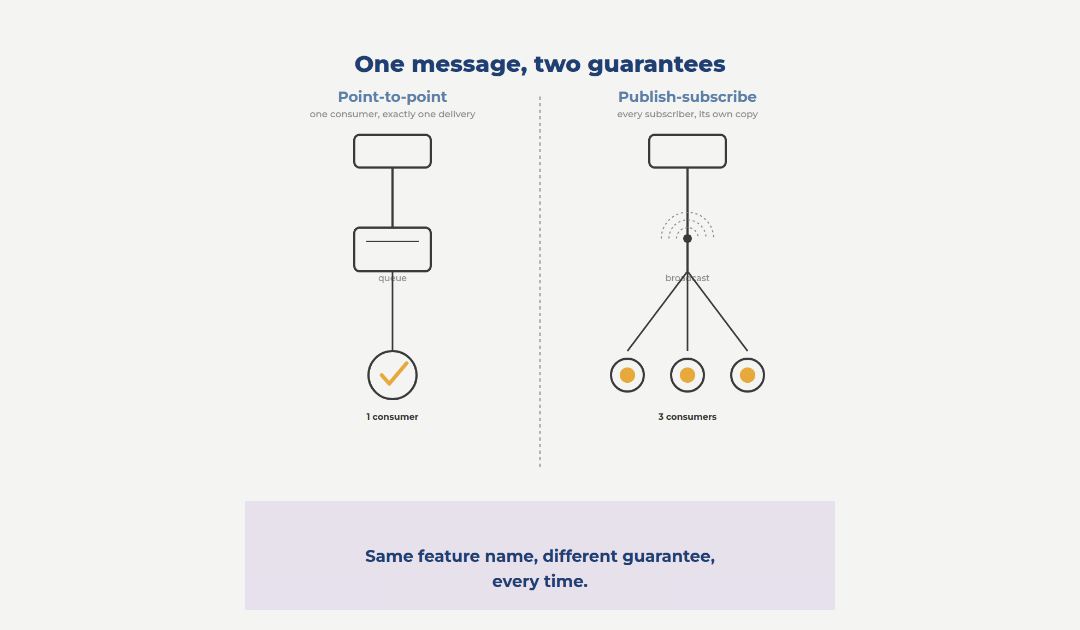
What does a message-oriented middleware communication model actually guarantee?
A shipping service sits right next to billing on what everyone calls the same channel, and still never sees an order event that billing gets every time. The reason is the communication model underneath, not a bug in either service.
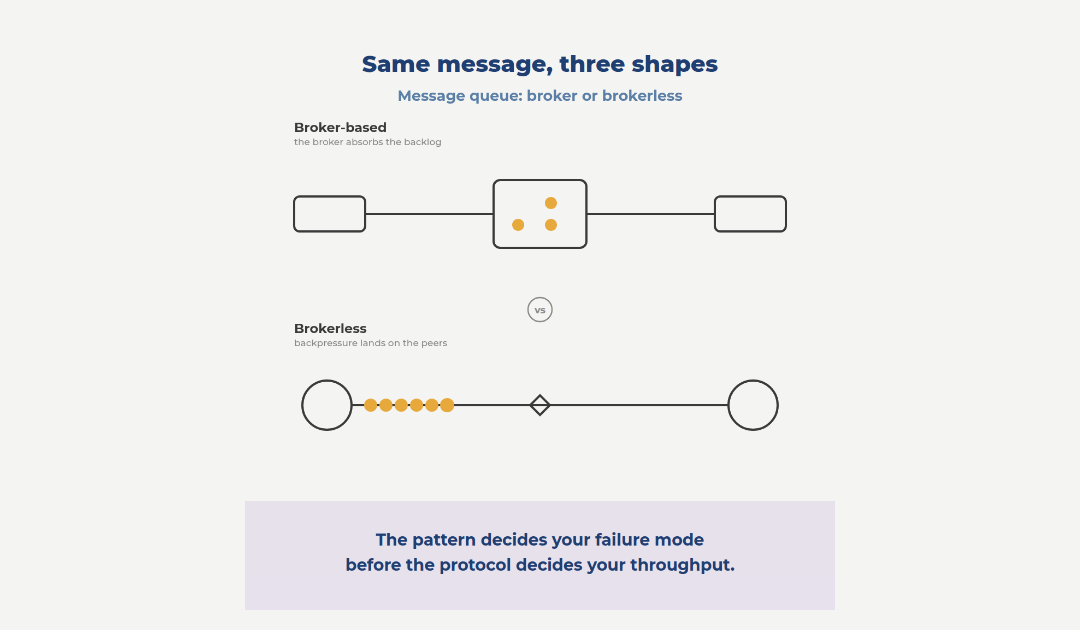
What message-oriented middleware is actually running under your queue?
A design review stalls when nobody can say why the queue fails the way it does under load. The tool was chosen; the message-oriented middleware underneath it, its communication model, protocol, and broker design, was not. This is the first of four pieces on that layer, closing on what Kafka solves across all three.
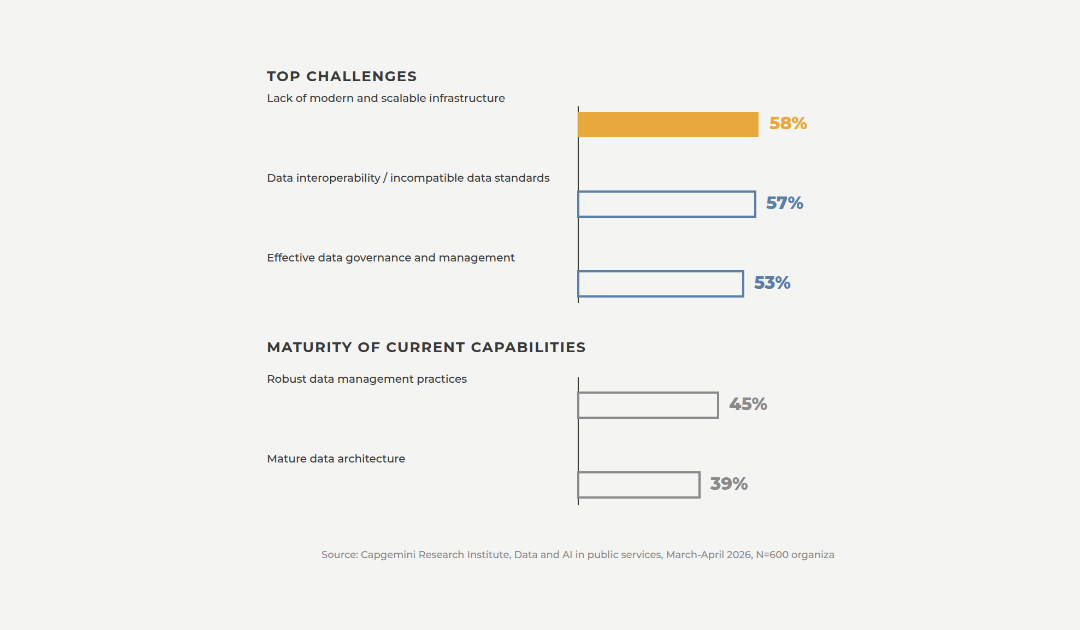
Data Foundations Decide Which AI Use Cases Scale
A pilot proves out, the board approves scaling it, and the data team explains why the pipeline cannot carry production volume. The model was never the problem. The data foundations underneath it were.
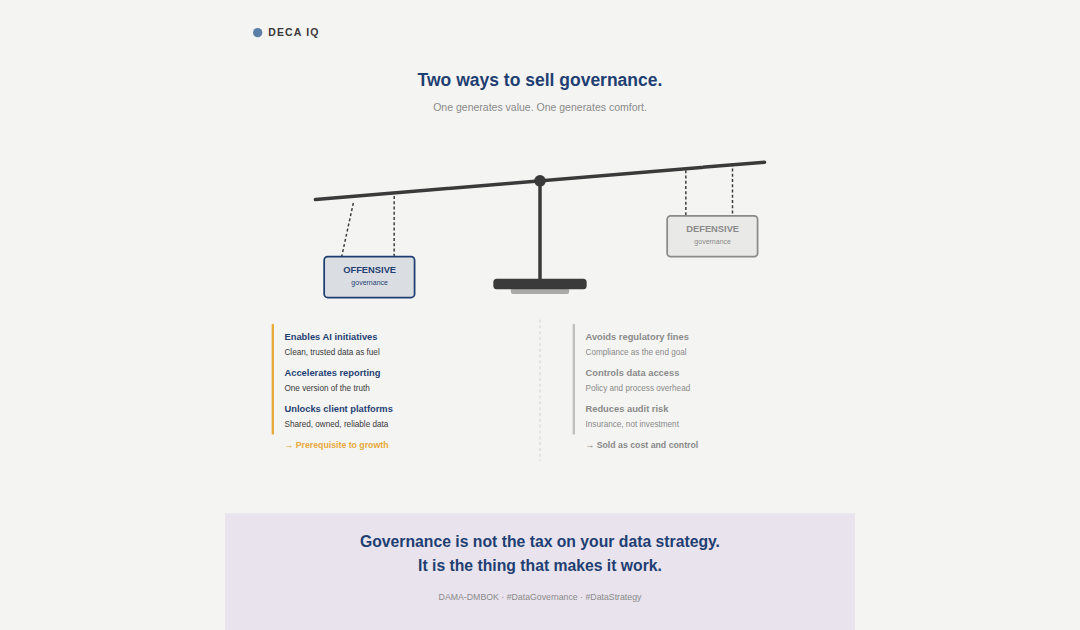
Offensive Data Governance: Sell It as Performance, Not Insurance
Leaders hesitate to fund data governance because it sounds like cost, control and bureaucracy. Meanwhile the projects they already approved, the AI initiatives, the reporting upgrades, the client platform, quietly depend on it. Offensive data governance changes the pitch: not what it prevents, but what it makes possible.
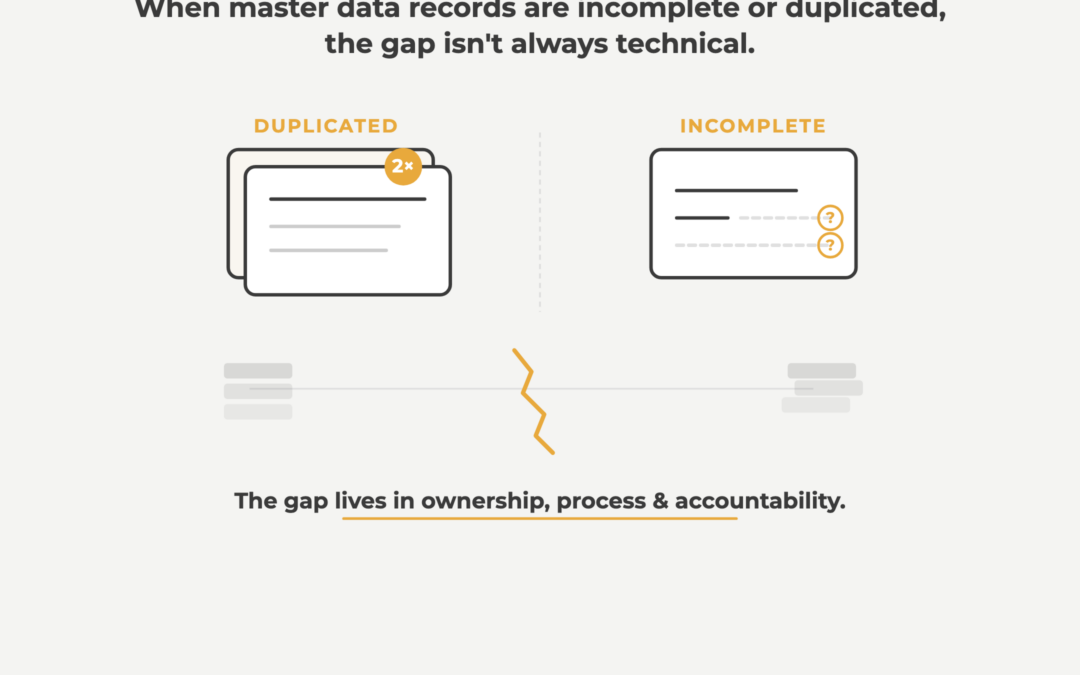
Data Quality Management Is Not an IT Problem
KYC files sit pending because no one can confirm which record is the customer. The instinct is to ask IT to clean the data. But the field was never captured in the first place, and no cleansing job can create it. Data quality management starts upstream, in the process, with a named owner.

Data governance, Start With the Business Problems, Not the Framework
Most data governance programs begin with a steering committee, a policy and a maturity model. Eighteen months later the committee still meets and the original problem is still there. Not a failure of effort; a failure of sequence.

From Asset to Data Product: Unlocking the True Value of Data
Organizations often treat data as an asset to be stored—but real value comes when it is treated as a data product. With governance, usability, and culture, data becomes a driver of measurable business outcomes.

A Data Quality Program That Lasts: Assessment, Awareness, Action
Data quality is not a one-off project—it’s a disciplined process. By assessing current data, raising organizational awareness, and taking targeted action, businesses can embed quality into daily operations and ensure trusted, value-driven insights.

The Role of the Data Architect: Bridging Strategy and Execution
A data architect bridges strategy and execution—translating business goals into scalable, trustworthy data solutions. By asking the right questions and steering delivery, they turn data into a repeatable capability and measurable business value.